iPhone 13 vs iPhone 14: which should you buy?
You've narrowed it down to two phones. Both are solid choices, both are brilliant value refurbished, and both run the same chip. So how do you choose?
The honest answer: the difference between the iPhone 13 and iPhone 14 is smaller than most people expect. But the difference that matters most comes down to how long you plan to keep your phone. We'll walk you through the key specs and help you figure out which one fits your life.
Quick verdict: save money or spend a little more?
Get the iPhone 13 if you want the most affordable option and your priority is a reliable Apple experience for less.
Get the iPhone 14 if you want more RAM and a phone that is likely to stay fast and smooth for longer.
Skip the upgrade if you already own an iPhone 13 and it is working well. The real-world difference is not big enough to justify switching.
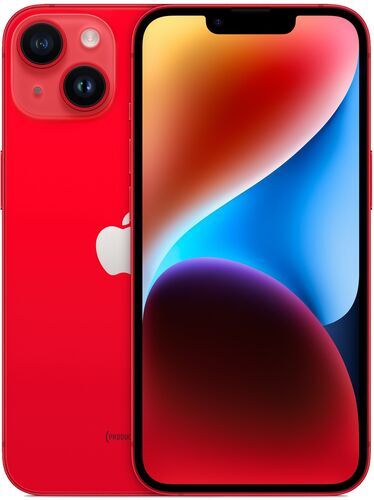
iPhone 13 vs iPhone 14: specs compared
Display
6.1" OLED, HDR10, 2532 x 1170
Chip
Apple A15 Bionic
RAM
6 GB
Battery
3279 mAh
Camera
12 MP + 12 MP ultrawide, 12 MP front
Connectivity
5G, WiFi 6, Bluetooth 5.3, NFC, UWB
Weight
172 g
Connector
Lightning
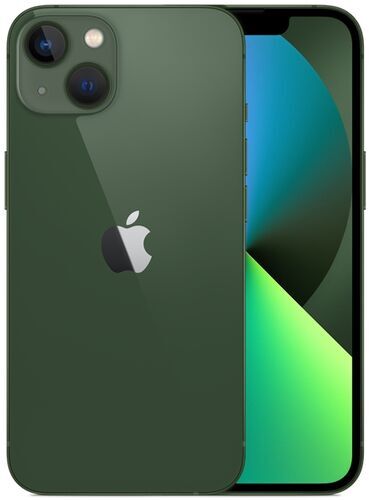
vs.
6.1" OLED, HDR10, 2532 x 1170
Apple A15 Bionic
4 GB
3227 mAh
12 MP + 12 MP ultrawide, 12 MP front
5G, WiFi 6, Bluetooth 5.0, NFC, UWB
174 g
Lightning
Same chip, more RAM: does it matter in everyday use?
Here's the thing most comparisons skip: the iPhone 13 and iPhone 14 use the exact same chip. Both run on the Apple A15 Bionic, which means day-to-day performance is essentially identical. Opening apps, browsing, streaming, taking photos: you won't notice a difference between them.
Where the iPhone 14 pulls ahead is RAM. It has 6 GB versus the 4 GB in the iPhone 13. More RAM does not make your phone faster today, but it does help it stay fast tomorrow. With more RAM, iOS can keep more apps open in the background, so switching between your messages, a browser tab and a map does not cause everything to reload. Over two or three years of use, that extra headroom can mean the difference between a phone that still feels responsive and one that is starting to slow down.
Camera and display: more similar than you think
If you are upgrading specifically for the camera, you may be surprised. Both phones have a 12 MP main camera, a 12 MP ultrawide, and a 12 MP front camera. The display is also identical: a 6.1-inch OLED panel at 2532 x 1170 resolution with HDR10.
For everyday photos, social media and video calls, the two phones perform the same. This is not a criticism: both cameras are genuinely good and take sharp, colour-accurate shots in most conditions. But if camera performance is your deciding factor, it is worth knowing that the 13 and 14 are the same on that front. The display is equally sharp on both, great for reading, watching videos or scrolling through photos.
Which iPhone should you buy?
Get the iPhone 13 if you want maximum value for money and are not planning to keep the phone for more than two or three years. It is a capable, well-rounded phone that handles everything most people need, and refurbished prices make it an even smarter pick. Browse the iPhone 13
Get the iPhone 14 if you want a phone that will stay smooth and responsive for longer. The extra RAM means better multitasking and more headroom as iOS updates over time. If you are keeping your next phone for four or five years, the 14 is the better long-term investment. Browse the iPhone 14
Skip the upgrade if you already own an iPhone 13 and it is running well. Switching to a 14 gives you more RAM, but you will not feel the difference right away. Save the money and upgrade when your current phone genuinely starts to slow down.
Either way, refurbished iPhones give you the same Apple experience at a fraction of the new price.
Both are a great deal refurbished
Refurbished means professionally tested, cleaned and reconditioned: not second-hand, not a compromise. Every refurbed iPhone goes through a full quality check before it reaches you, and it comes with a minimum 12-month warranty and a 30-day free trial. If it is not the right fit, you can return it.
Buying refurbished also means spending less than you would on a new model, while getting the same iOS experience. It is a straightforward way to own an iPhone you will be happy with, without overpaying for it.
iPhone 13 vs iPhone 14: frequently asked questions
Is the iPhone 14 worth upgrading to from the iPhone 13?
For most people, no. If your iPhone 13 is working well, the upgrade does not offer enough real-world difference to be worth the cost. The main gains are more RAM and a slightly improved battery. Wait until your current phone starts to slow down.
What is the biggest difference between the iPhone 13 and iPhone 14?
RAM. The iPhone 13 has 4 GB and the iPhone 14 has 6 GB. Both use the same A15 Bionic chip, so performance today is identical. The extra RAM in the 14 helps it stay responsive as apps and iOS evolve over the years.
Do the iPhone 13 and iPhone 14 have the same chip?
Yes. Both use the Apple A15 Bionic. This is one of the more surprising facts about these two models. Apple used the same chip for both the standard iPhone 13 and iPhone 14.
Is the iPhone 13 still a good buy?
Yes, especially refurbished. The A15 Bionic chip handles everyday tasks without trouble, the cameras are solid, and the display is sharp. If you want a reliable iPhone at an affordable price, the 13 is still a strong choice.

Sign up for our newsletter for the first time and save 15€!
Never miss an offer again.
Information about the use of personal data can be found in our Privacy policy.
Get the refurbed app
For iOS and Android


Confirm sign-up
Click the link in our confirmation e-mail to receive your voucher. It will be applicable to purchases from 200€.
- © Refurbed Marketplace GmbH
- Accessibility
- T&C
- Privacy Policy
- Imprint
- Legal Notices
- European Data Act
- Cookie Policy